Dec 28, 2025
Why Pilates Is the Quiet Powerhouse of Fitness
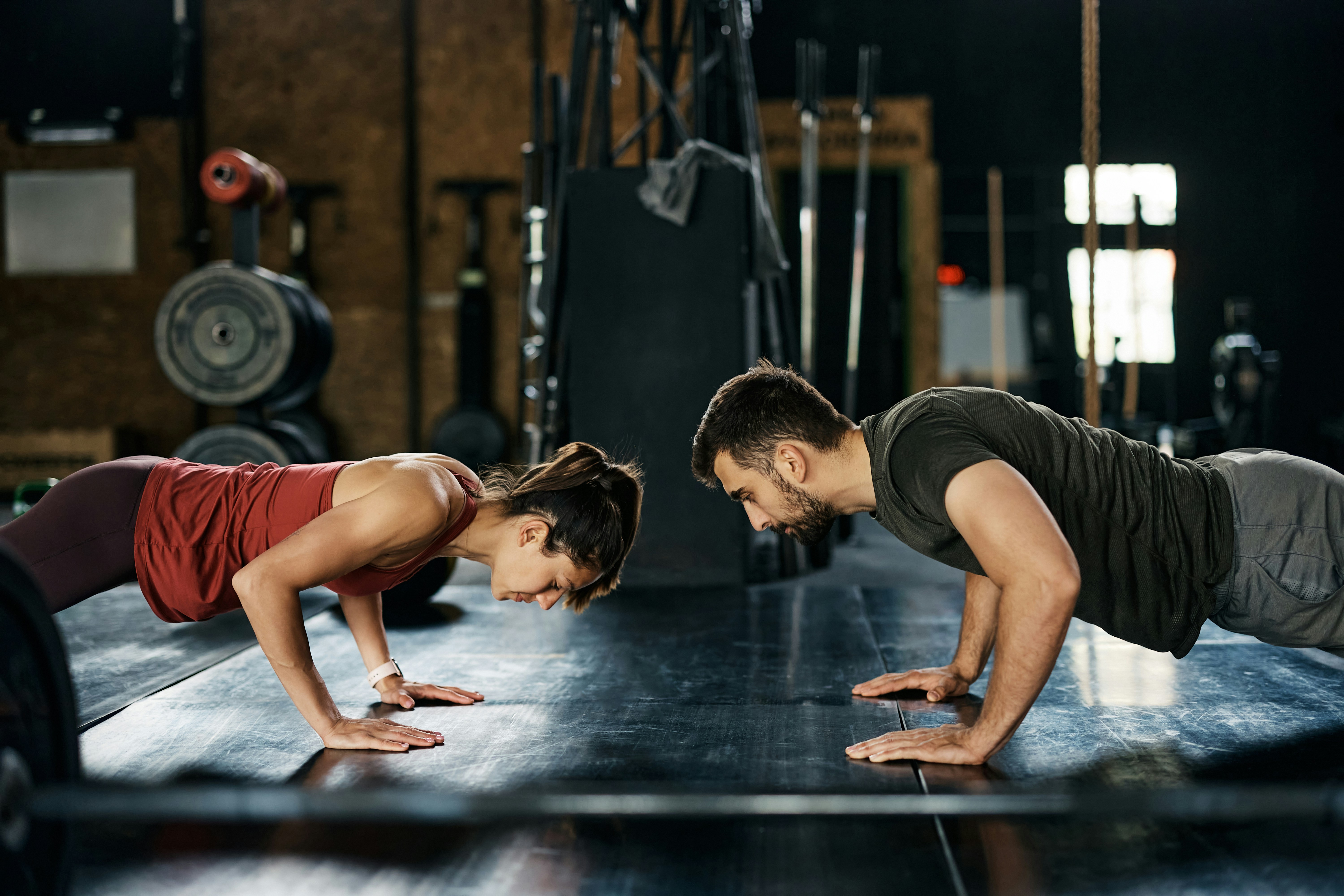
If workouts were people, HIIT would be the loud friend dragging you to 6AM bootcamps… and Pilates would be the calm one who quietly fixes your posture, your back, and your core—then lets you enjoy every other class more.
Pilates doesn’t scream for attention. There’s no blasting music, no “one more rep!” chaos. But session after session, it changes how you stand, move, and feel in your own body. That’s why we call it the quiet powerhouse.
Let’s break down what actually makes Pilates so special—and why it deserves a regular spot in your ACTV schedule.
1. It builds deep strength, not just surface burn
Most workouts focus on what you see in the mirror: quads, glutes, arms, abs.
Pilates goes deeper.
It trains the small stabilising muscles around your spine, hips, and shoulders—the ones that keep everything aligned and supported. Think of them as the “behind-the-scenes” team that makes every squat, lunge, run, and jump feel better.
In a good Pilates class you will:
Work your core from every angle (not just crunches)
Strengthen your back as much as your abs
Train hips and glutes to stabilise your knees and lower back
You might not leave dripping in sweat every time—but you’ll feel that delicious, controlled burn in muscles you didn’t know you had.
2. Your posture finally gets the attention it deserves
Hours at a desk, on a laptop, in the car, on your phone… it all shows up as:
Rounded shoulders
Tight neck
Achy lower back
Pilates is almost like a reset button for that.
The exercises are built around alignment: stacking your spine, opening your chest, lengthening tight muscles, and teaching your body what “neutral” actually feels like again. Over time, you start to naturally:
Stand taller
Sit more upright without forcing it
Feel less stiffness after long days
It’s not magic. It’s simply training your body to remember better posture—repetition, awareness, and smart movement.
3. It’s low-impact, but the results are serious
One of the biggest myths: “Pilates is just stretching.”
Nope.
You’ll move, push, pull, hold, and control your body through full ranges of motion—often against springs or your own bodyweight. The difference is:
Low impact on your joints
High focus on control and form
That makes Pilates perfect if you:
Are new to working out
Are coming back after a break or mild injury (with your doctor’s green light)
Want something intense on muscles but gentle on knees, hips, and ankles
It’s also an incredible complement if you already love high-intensity classes. Your HIIT, spin, or boxing sessions feel stronger and safer when your foundation is stable.
4. It trains your mind as much as your muscles
Pilates demands focus.
You’re not just “getting through” a set. You’re thinking about:
Where your ribs are
How your pelvis is tilted
Whether your core is actually engaged
How your breath supports each movement
That level of attention pulls you out of autopilot and straight into your body. It’s a form of moving mindfulness:
Your brain gets a break from work, uni, and notifications
Your nervous system gets a chance to slow down
You leave class feeling clearer, not just tired
It’s quietly therapeutic.
5. The perfect partner to your other classes
Pilates isn’t here to replace your favourite workouts—it’s here to upgrade them.
Pairing Pilates with other ACTV classes can look like:
Pilates + HIIT
HIIT pushes your heart and power; Pilates keeps your joints happy and form on point.Pilates + Strength
Strength classes build muscle; Pilates fine-tunes control, range of motion, and core stability so you lift better.Pilates + Spin/Running
Cardio challenges your endurance; Pilates balances out tight hips, hamstrings, and lower backs.
Think of it as your body’s “maintenance session” that lets you go harder, for longer, with less risk of burnout.
6. What to expect in your first Pilates class
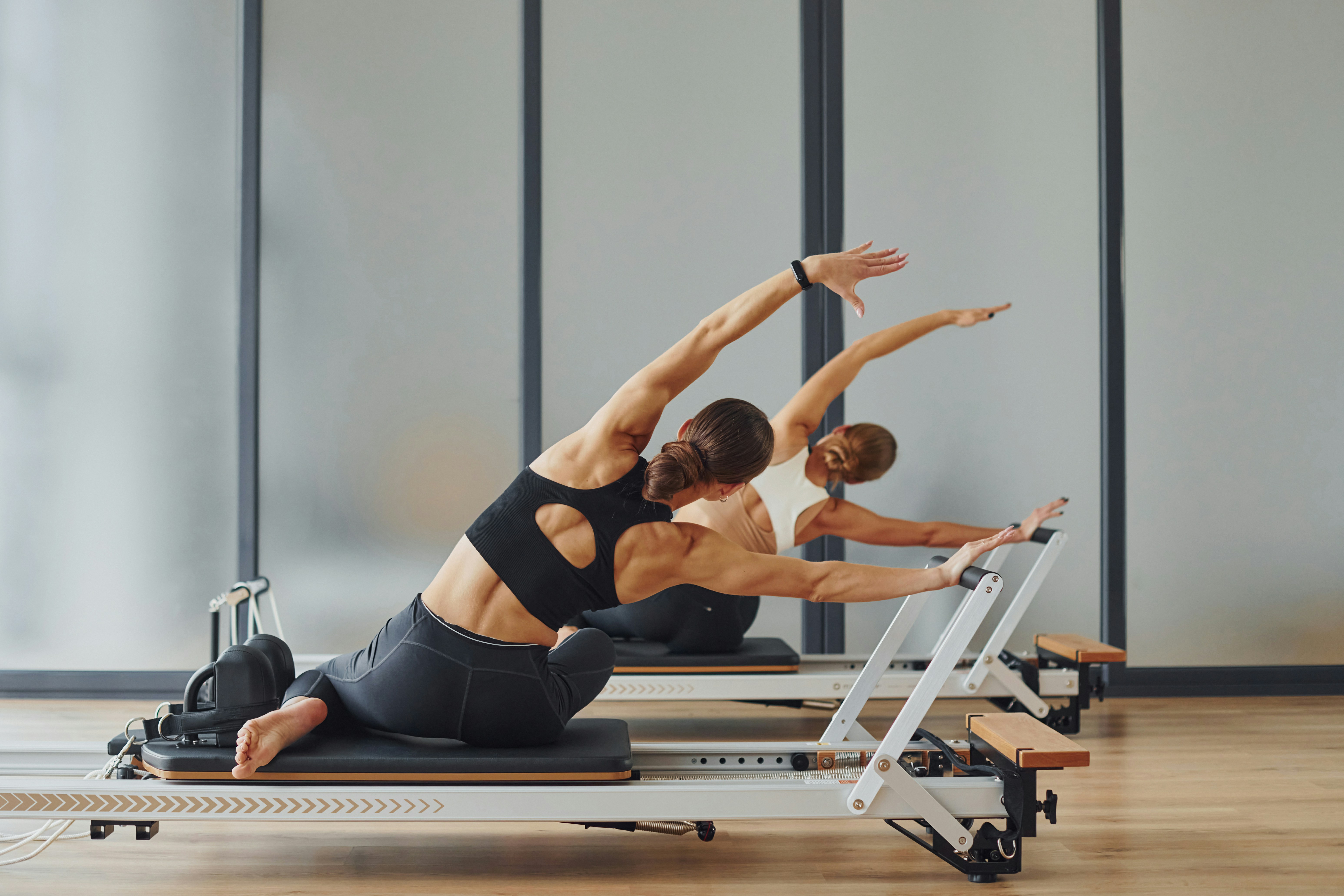
If you’ve never tried it, here’s how your first reformer or mat session might feel:
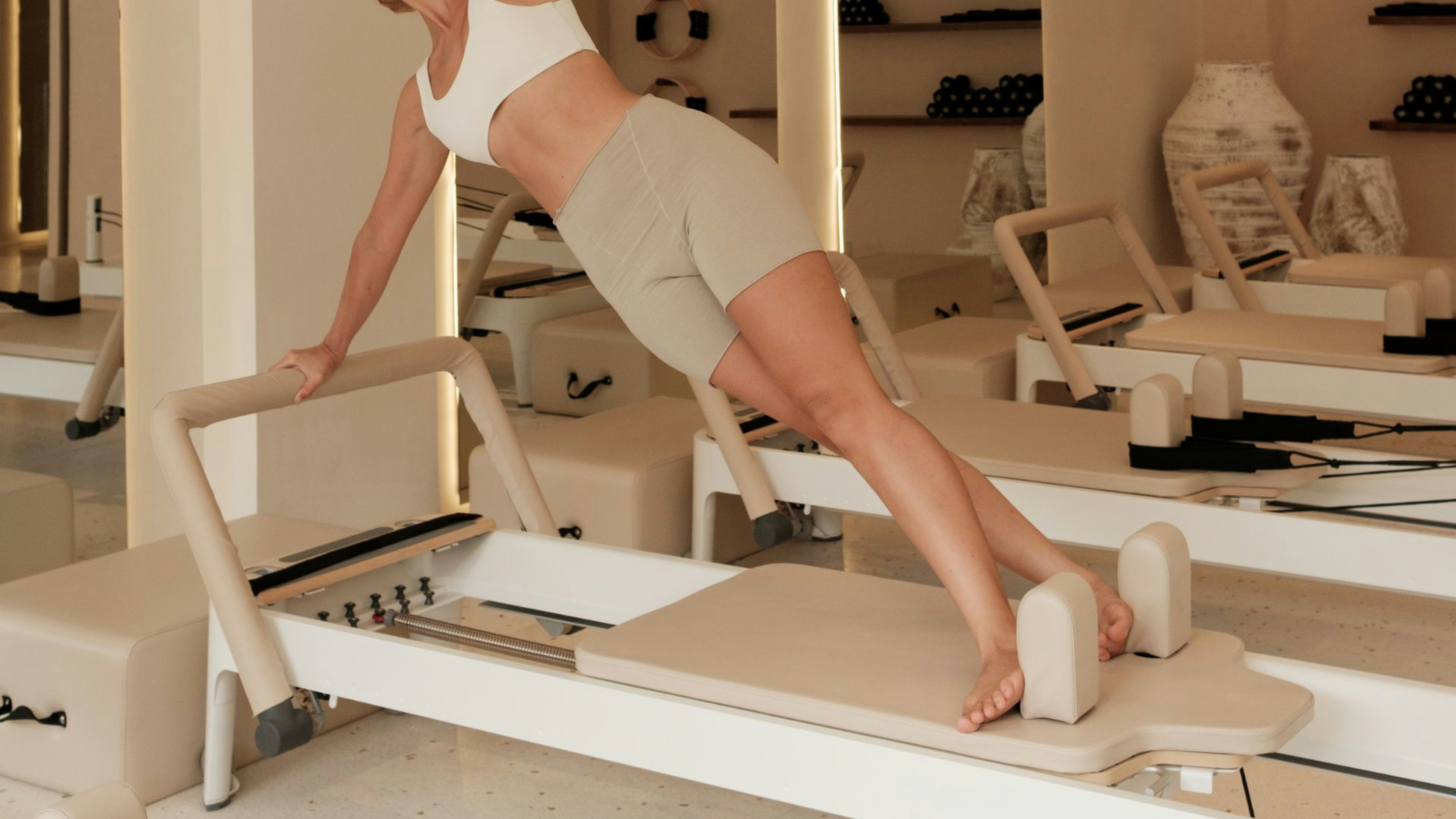
The studio will probably look calm and minimal (and yes, the reformer machine looks intense—but the instructor will guide you).
Movements are slow, controlled, and precise, not rushed.
Your instructor will cue breath, alignment, and small adjustments—hands-on support is normal and helpful.
You might not feel destroyed after class… but the next day? Your core and glutes will gently remind you you’ve worked.
How often should you go?
For most people, 1–2 classes per week is enough to start noticing better posture, stronger core, and improved control in other workouts.
7. How ACTV helps you find your Pilates groove
On ACTV, Pilates is not just “another class type”—it’s one of the smartest ways to invest your credits.
You can use the app to:
Filter by class type: Look for Reformer Pilates, Mat Pilates, or Core & Mobility in your area.
Choose your level: Start with Beginner or Open Level if you’re new.
Mix locations with one balance: Try different studios across Cairo or the coast without committing to a single membership.
The result? You get to explore the best Pilates experiences near you, find instructors you love, and build a stronger foundation for everything else you do—using the same ACTV credits you already have.
The quiet class that changes everything
Pilates won’t always be the loudest, sweatiest, or flashiest thing on your schedule.
But it might be the class that:
Stops your back from nagging you
Makes your core actually work in other workouts
Helps you stand taller and move better every day
So next time you open ACTV to book spin, HIIT, or boxing… consider sliding one Pilates class into your week.
Your future workouts—and your future posture—will thank you.
Learn more
Discover more from the latest posts.